Swan Hellenic
  • Only 10 guests per voyage
  • $1,000 per guest

Swan Hellenic Antarctic Photography Program

A professionally led program for enthusiastic photographers. Enjoy priority landing access where possible, field guidance, and practical editing workshops throughout the expedition.

*Optional program. Charged separately from the cruise fare.

Make photography part of your Antarctic expedition

*All Photography Program activities follow IAATO operational requirements and Swan Hellenic expedition procedures, with safety, wildlife protection, and environmental responsibility taking priority at all times.

*Optional program. Charged separately from the cruise fare.

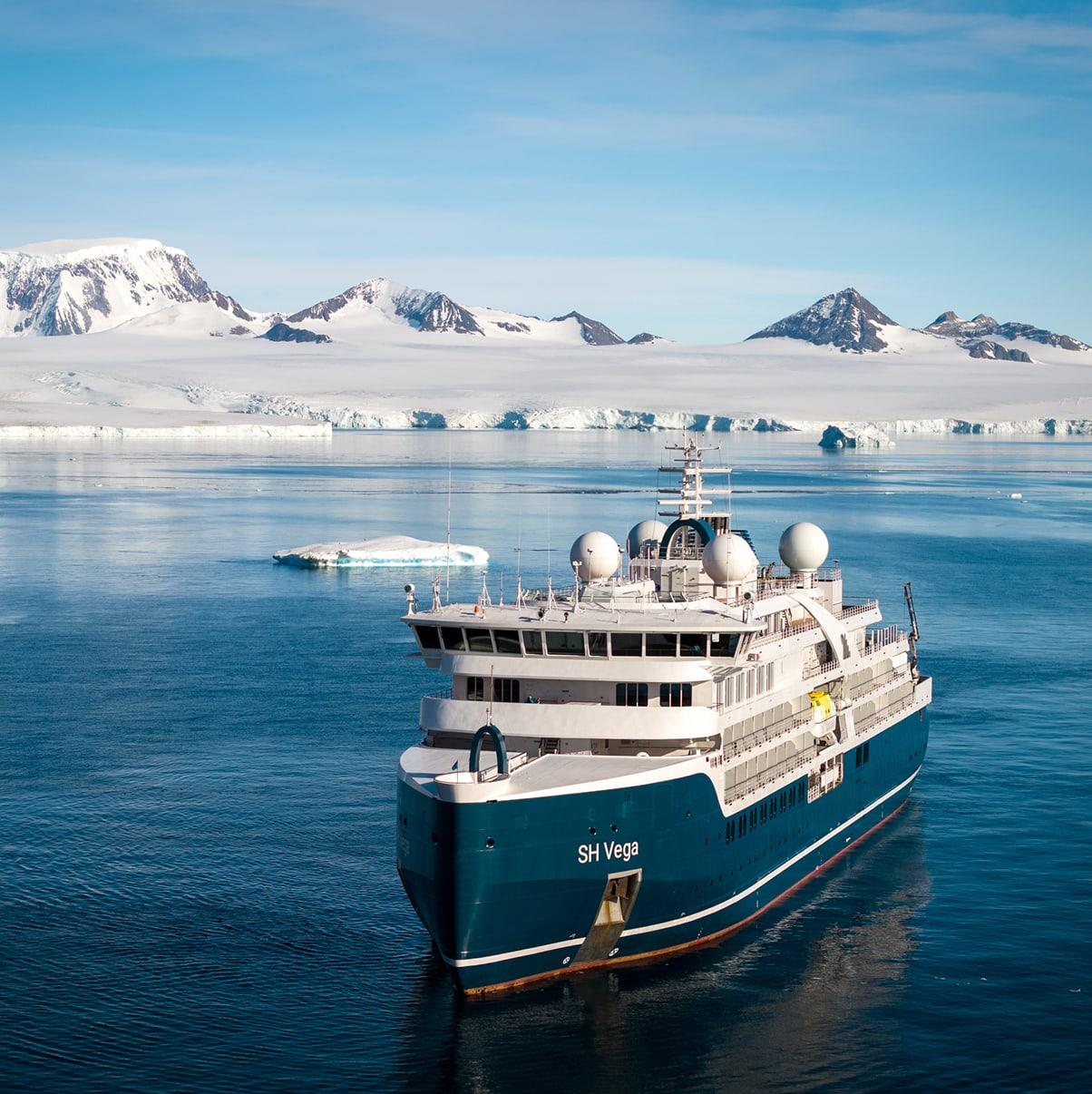
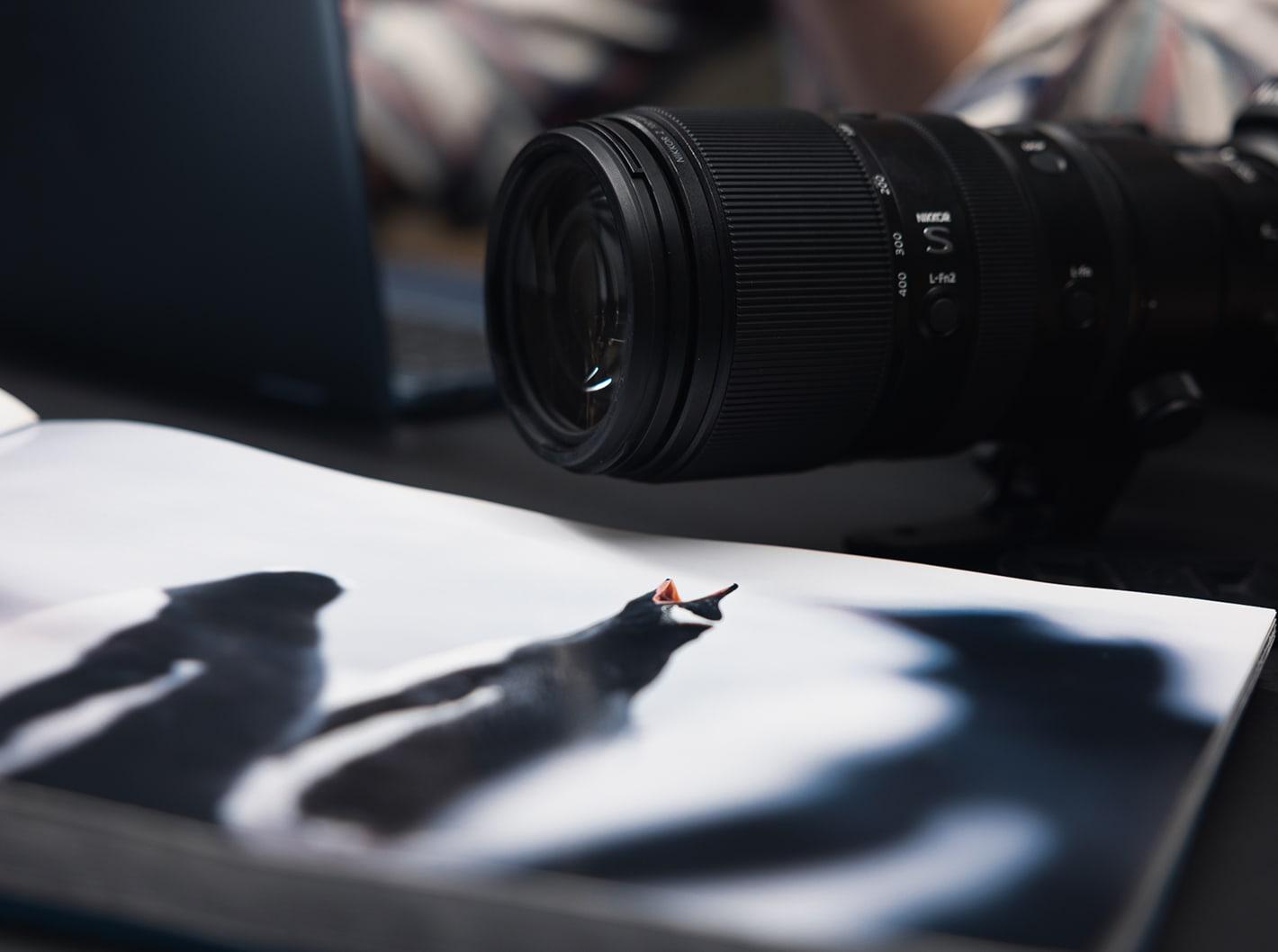
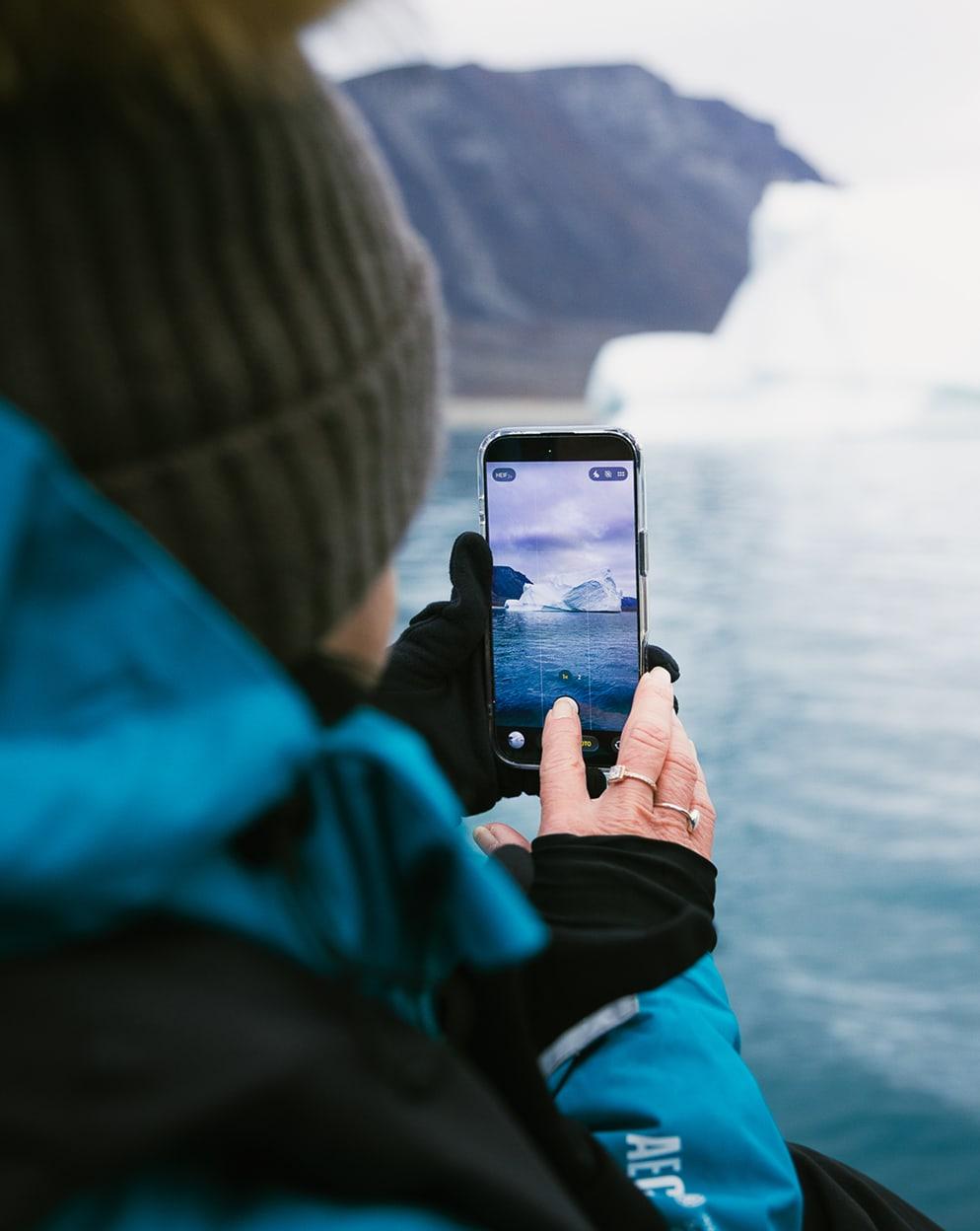
Photography is an essential part of any Swan Hellenic journey — especially in Antarctica. But capturing these extraordinary landscapes requires more than simply bringing a camera. If you want photography to become an integral part of your Antarctic expedition, this program is for you.

The Swan Hellenic Antarctic Photography Program is an optional, voyage-long experience created for enthusiastic photographers (you do not need to be a professional). It combines dedicated photographic opportunities, both ashore and from a Zodiac, with professional instruction and practical editing workshops.

More professional guidance

Antarctica rarely offers the same scene twice. This program is designed to help you make the most of every opportunity as light, wildlife, and weather continually reshape the landscape.

Priority Landing Group

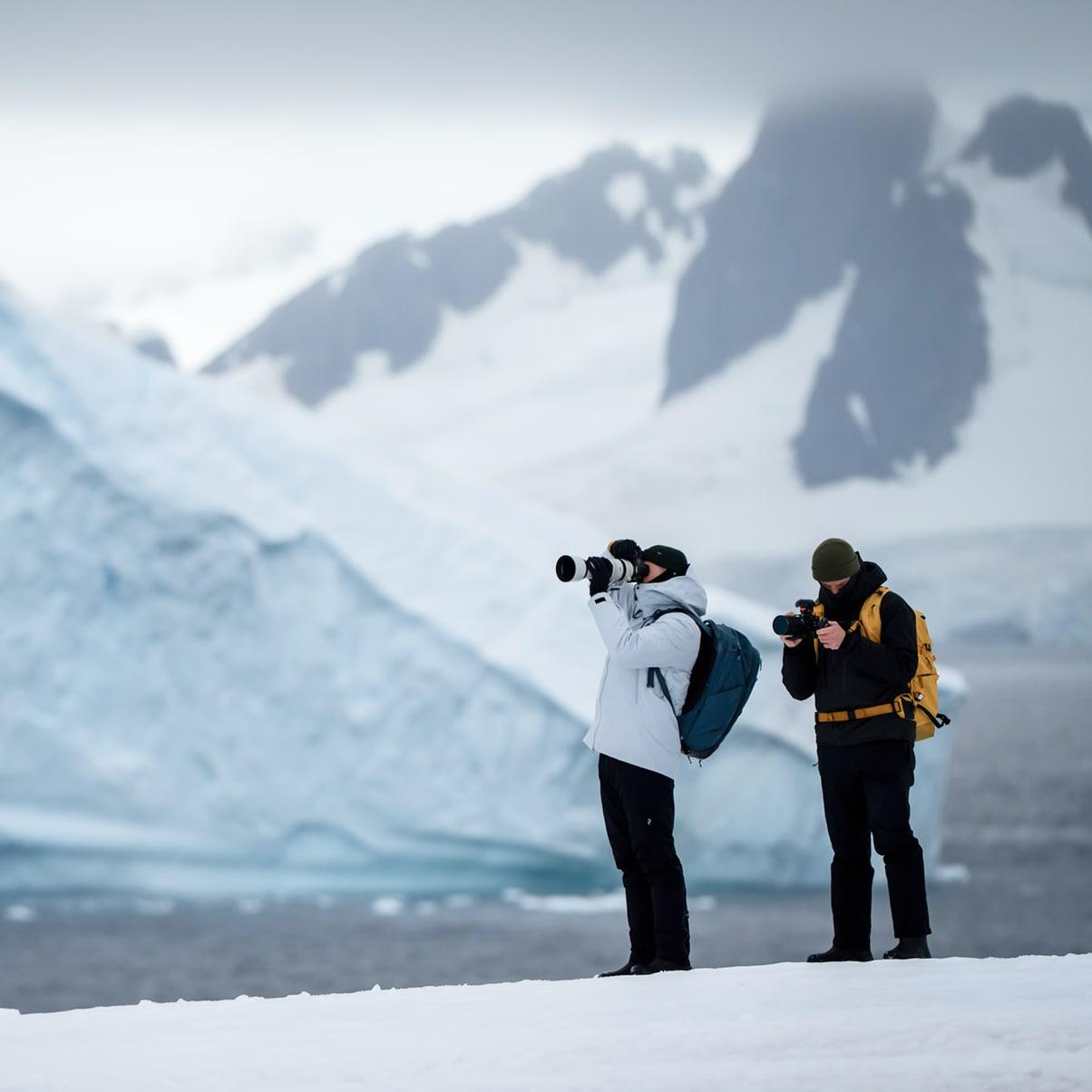
Photography Program participants will normally be among the first guests to go ashore after the Expedition Team has assessed the site and confirmed that the landing can proceed.

Where the operational plan allows, you may begin exploring up to approximately 30 minutes before the main guest operation — giving you extra time to work with light, composition, and the landscape while fewer people are ashore.
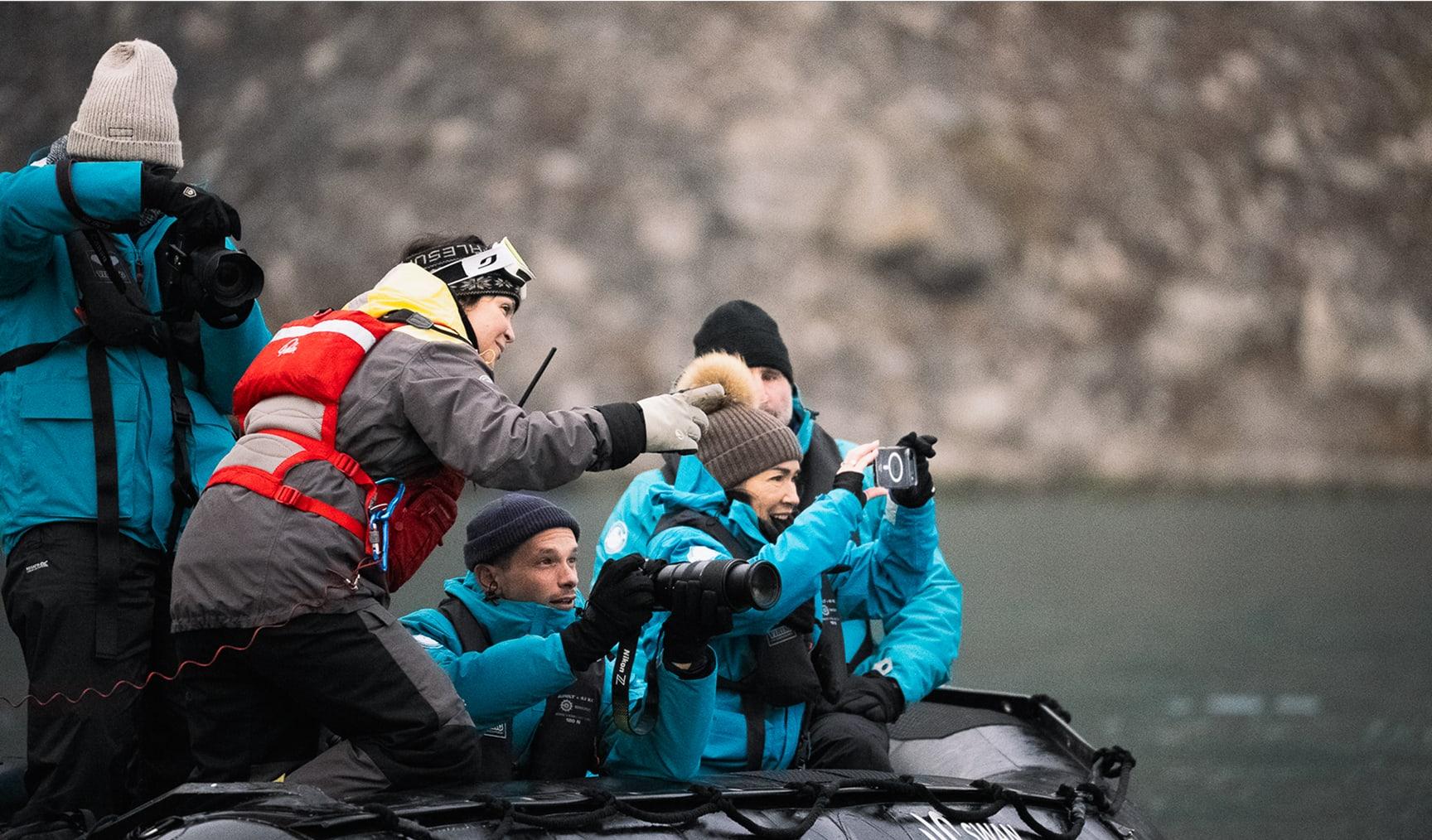
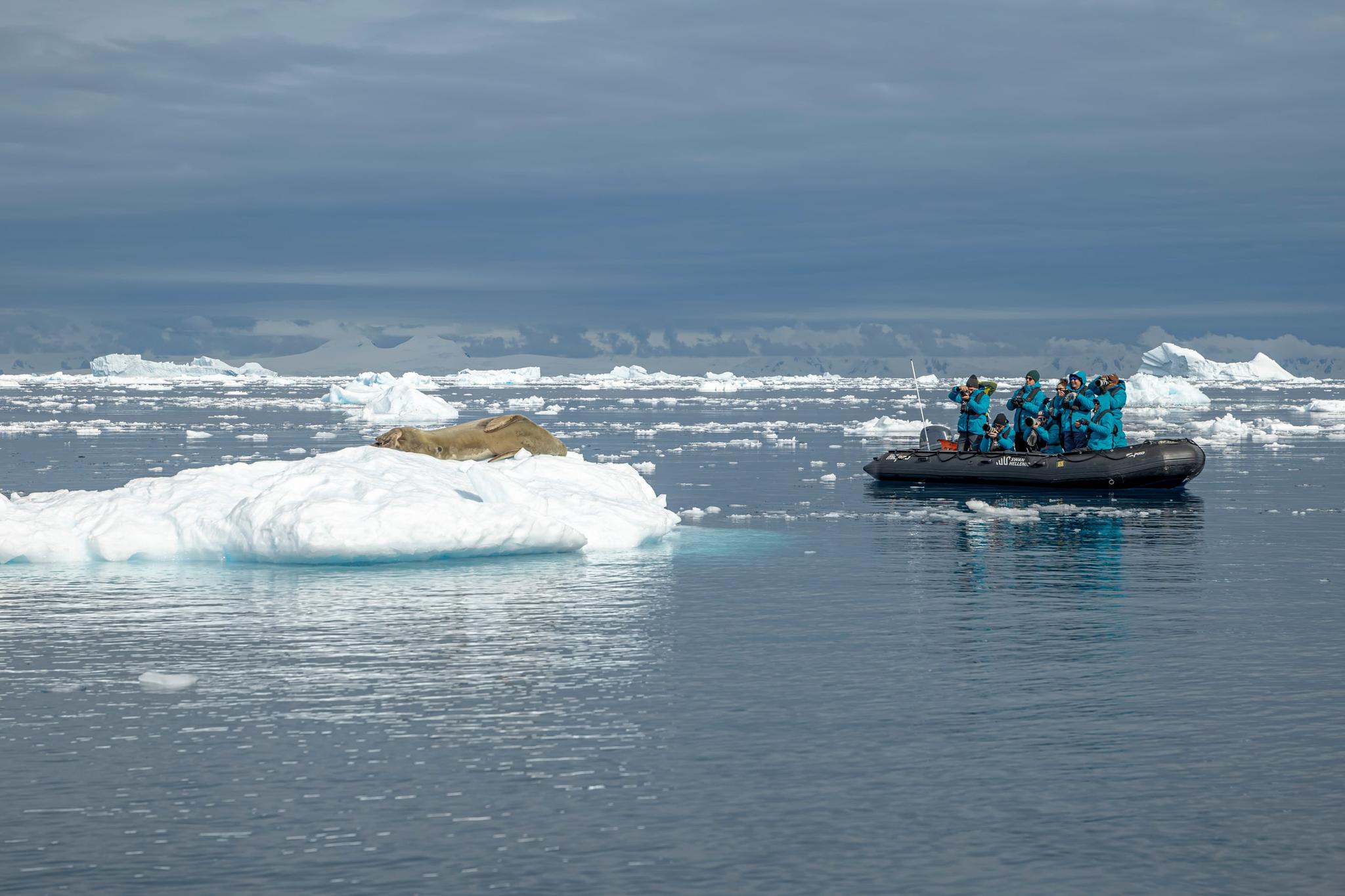
Dedicated Photography Zodiac

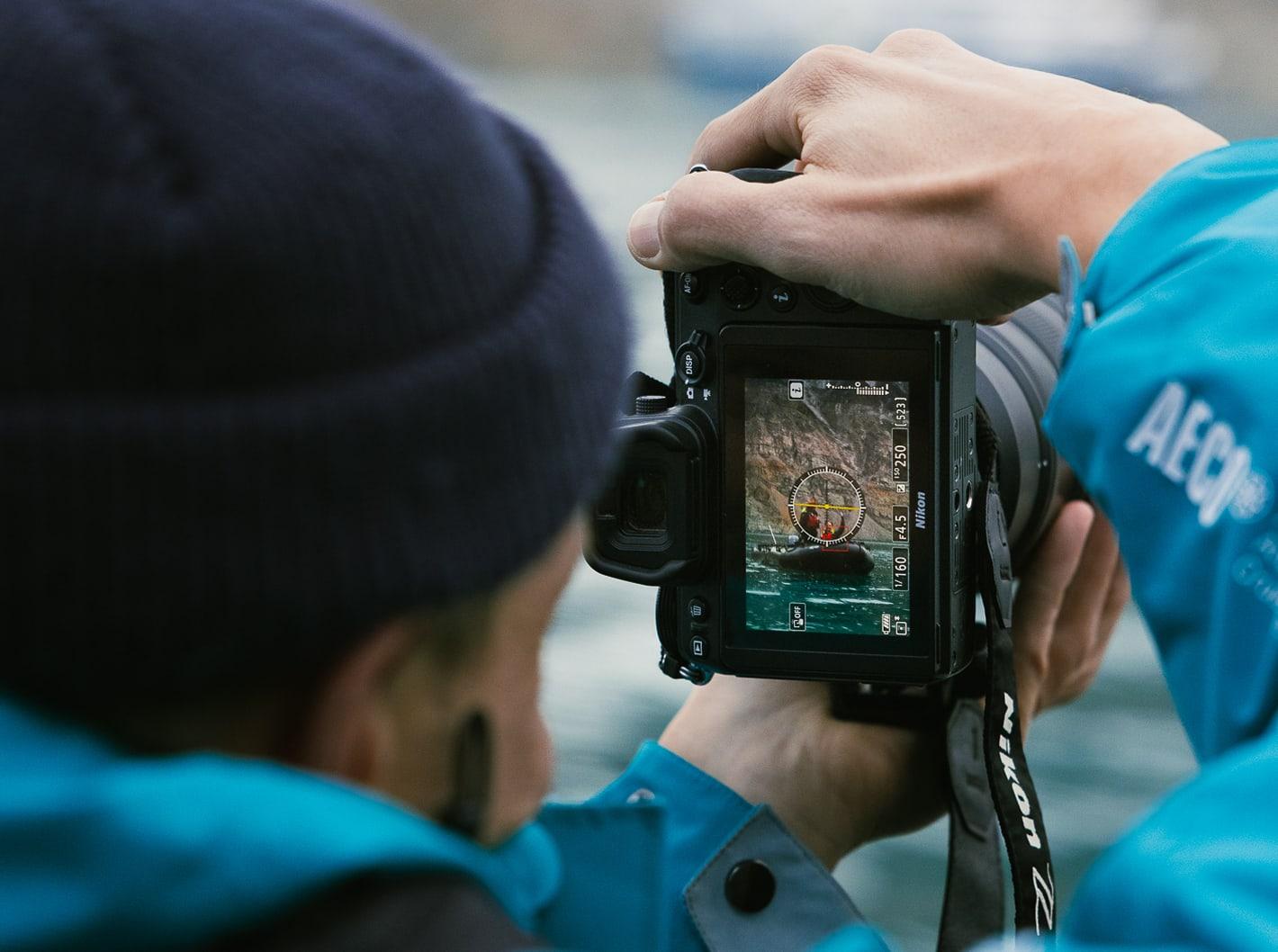
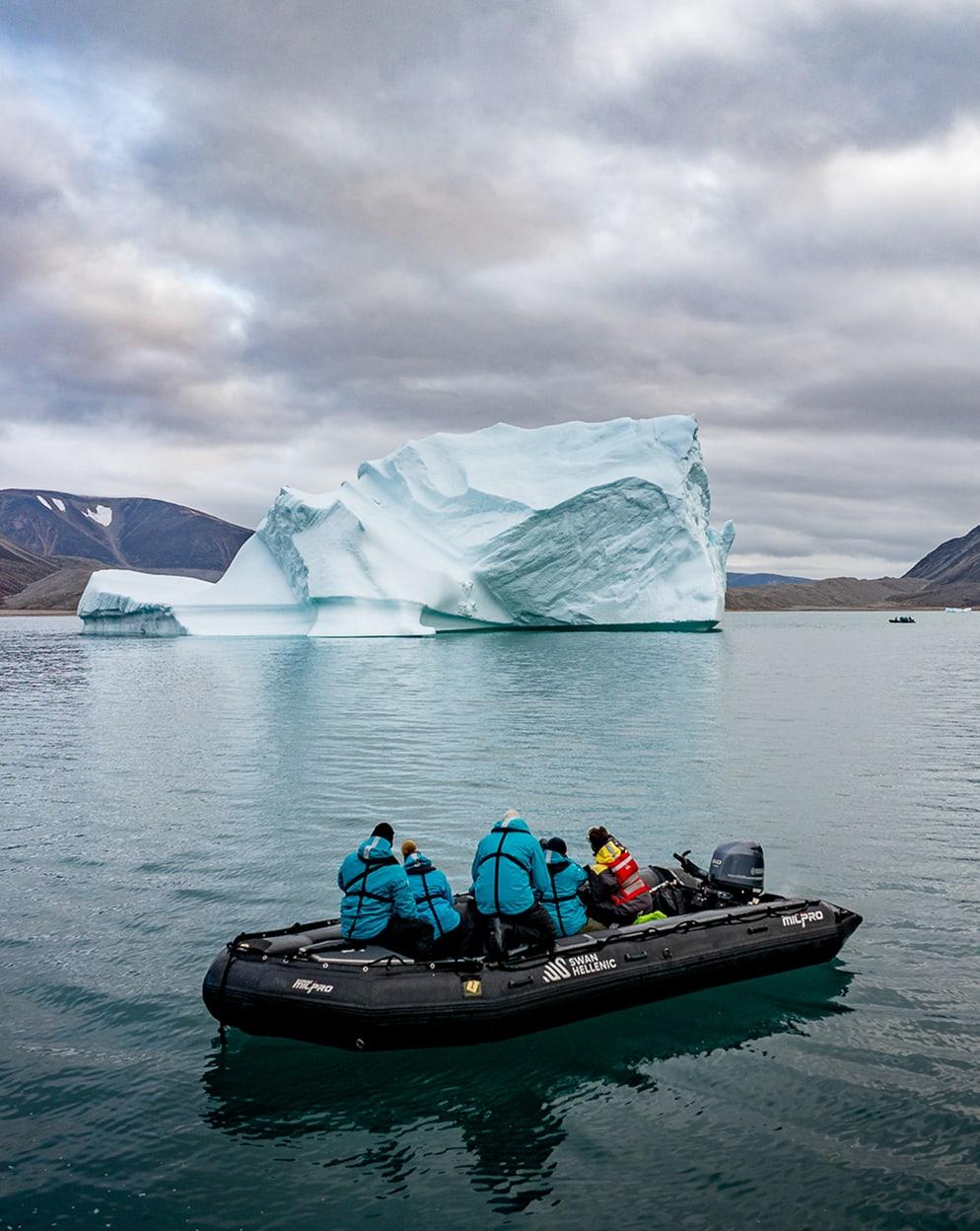
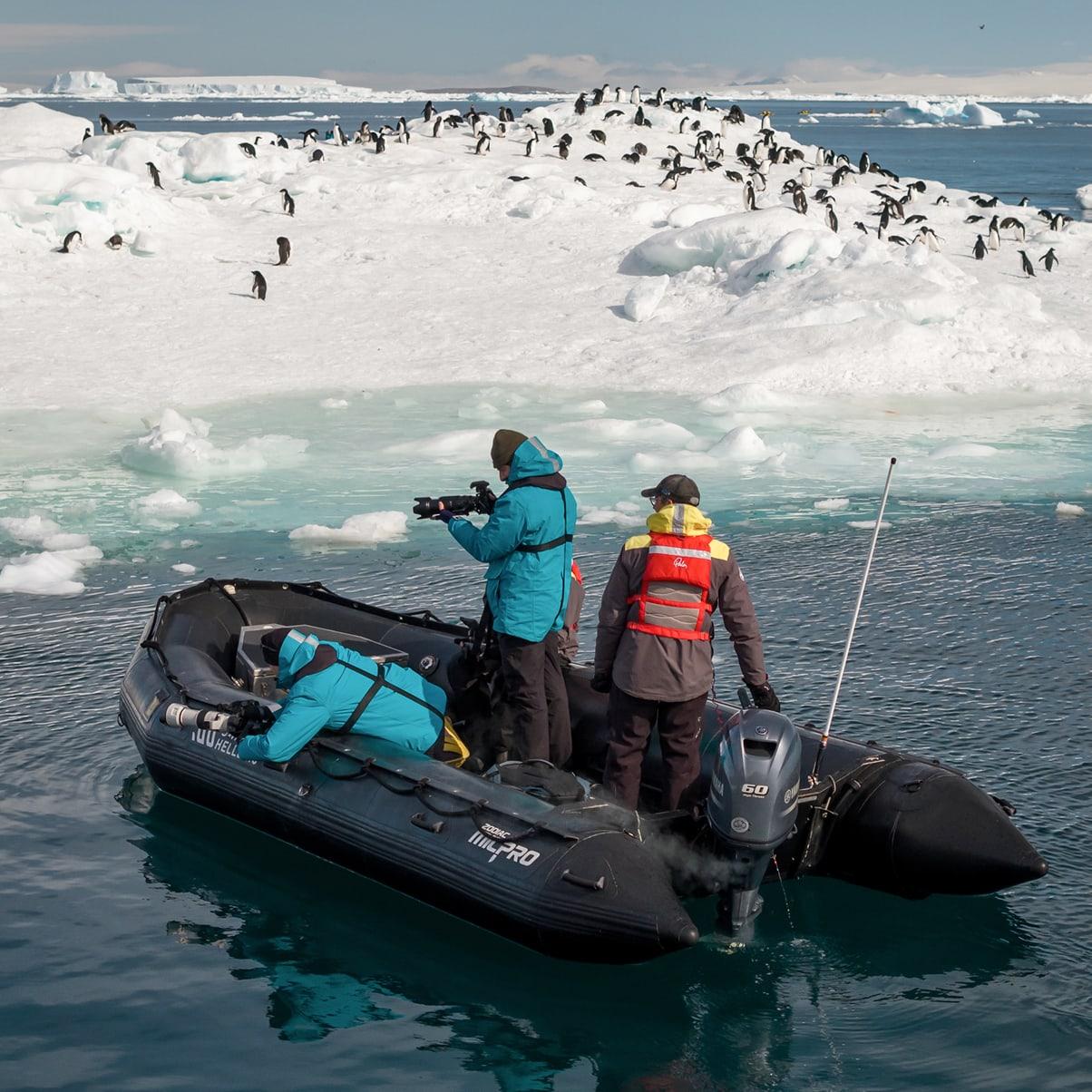
During suitable Zodiac operations, a dedicated Photography Zodiac allows the group to approach each outing specifically from a photographer’s perspective.

Your Photography Instructor and Zodiac Driver will look for the best positioning, light, and composition, while always respecting wildlife and environmental guidelines.

Professional Guidance in the Field

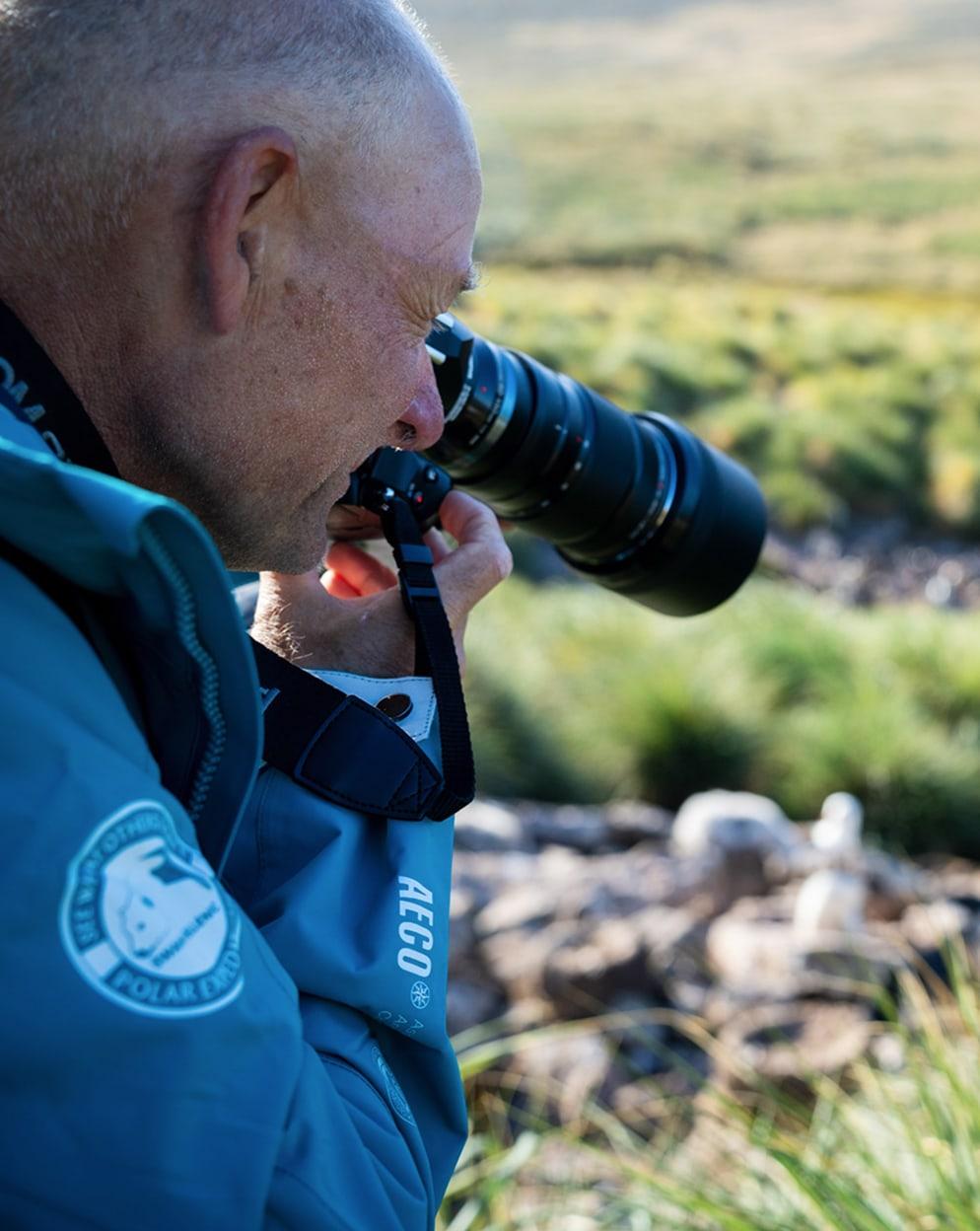
Your Photography Instructor accompanies the group throughout the expedition, offering practical advice — ashore, on the water, and back on board.

Daily Photo Feedback

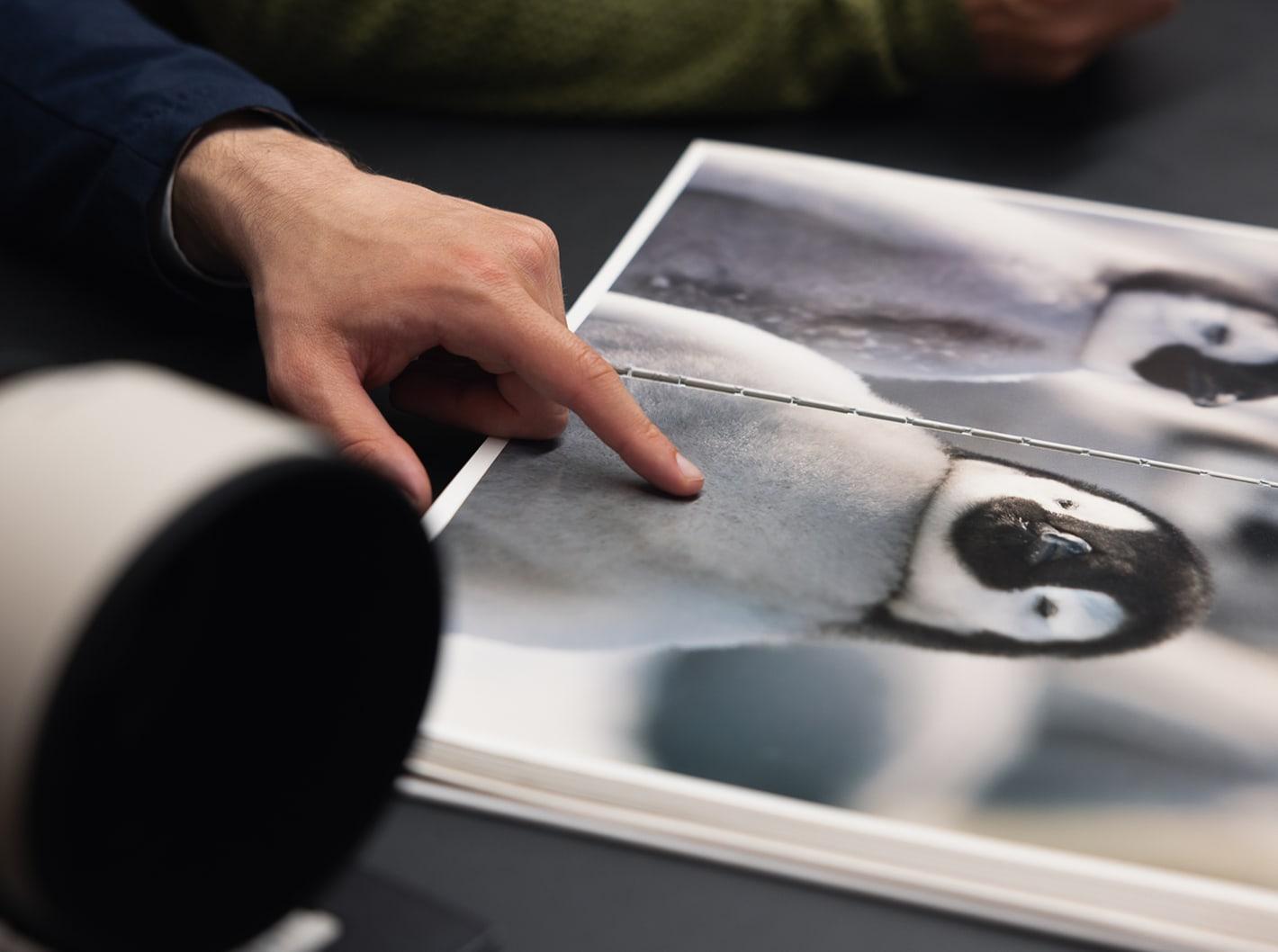
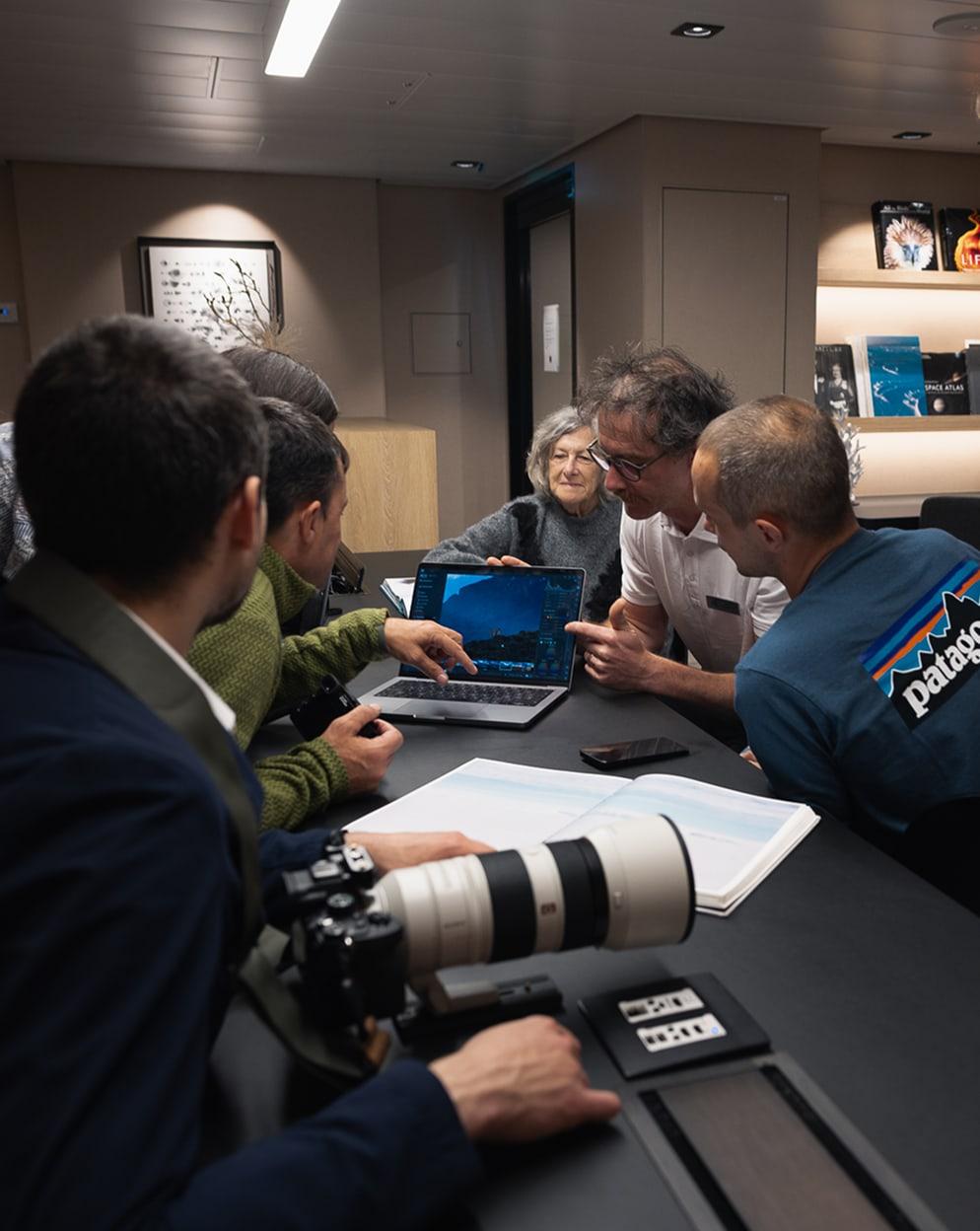
Review selected images with your instructor throughout the voyage and receive guidance on exposure, composition, and creative decisions.

The goal is simple: to help your photography improve from one expedition day to the next.

For travelers who want to take their photography further

The program is designed for enthusiastic photographers who want to dedicate additional time to photography during their Antarctic expedition. Participants do not need to be professional photographers. Guests should, however, be comfortable operating their own camera.

It may be right for you if you:

  • regularly travel with a camera and want more time to use it
  • want practical guidance in real Antarctic conditions
  • are interested in wildlife or travel photography
  • would value individual feedback from a professional instructor
  • want to return home with both stronger images and stronger photographic skills

DSLR and mirrorless camera users are particularly well suited to the program, although guests using other capable camera systems are welcome.

Participants provide their own photographic equipment.

Bring your camera. Bring your curiosity.

You do not need to be a professional photographer to join.

You should simply be comfortable using your own camera and interested in developing your skills. You learn as Antarctica unfolds around you.

Your instructor can help you understand which settings to use, how to respond to changing light, how to photograph moving wildlife, and how to build stronger compositions.

Antarctica becomes the classroom.

Camera Settings & Exposure

  • shutter speed, aperture, and ISO
  • working with bright snow and reflective surfaces

Wildlife Photography

  • photographing penguins, seals, seabirds, and whales
  • anticipating wildlife behavior without disturbing it

Composition & Storytelling

  • landscape and ice photography
  • composition and visual storytelling

Field Technique & Equipment

  • photographing from a moving Zodiac
  • lens choice and field preparation
  • protecting equipment in cold and wet environments

Learn what happens after you press the shutter

Taking the photograph is only the beginning.

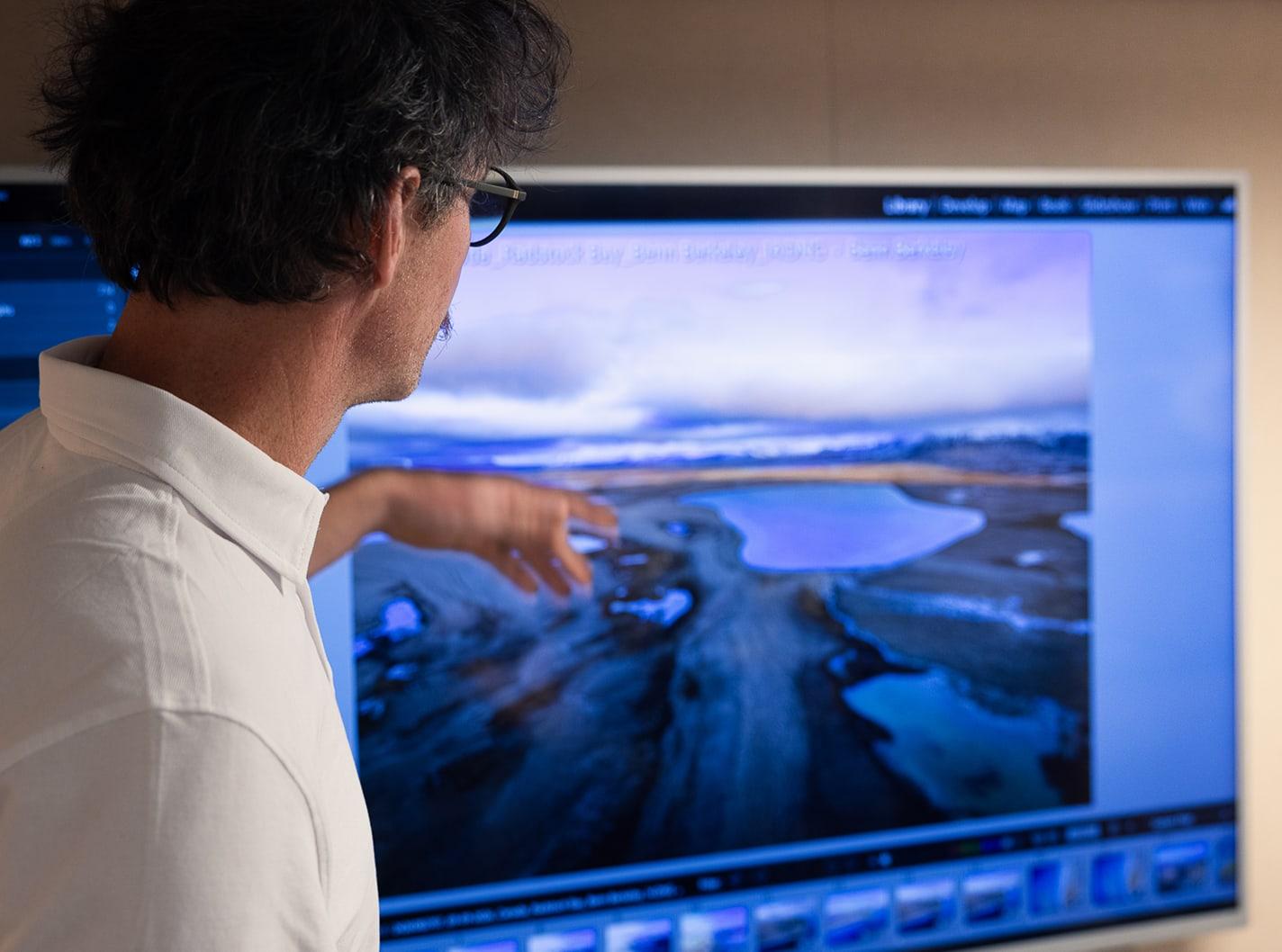
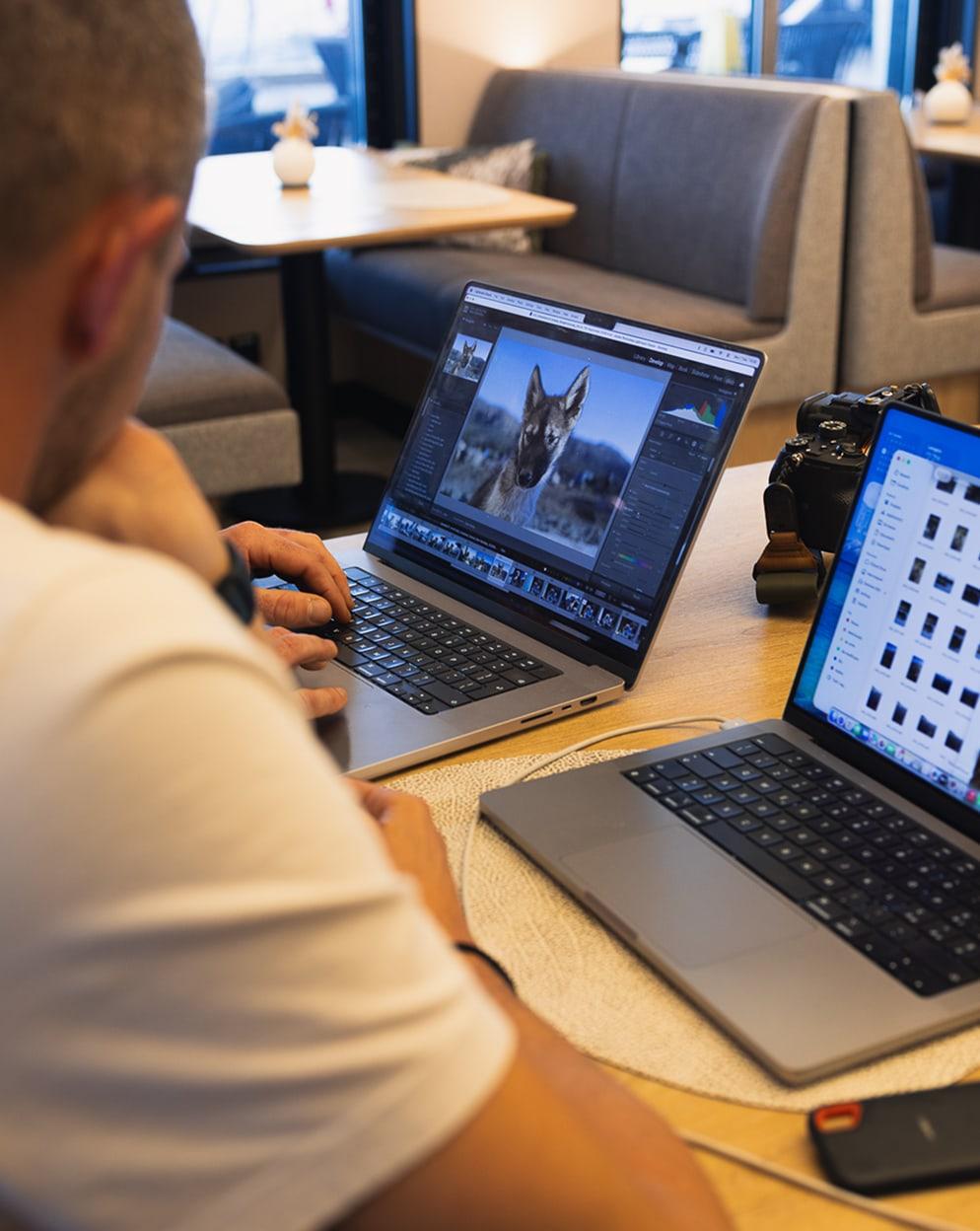
During suitable periods at sea and between expedition operations, dedicated post-processing workshops help you turn a productive day in the field into a considered collection of images.

Please bring your own laptop or preferred editing device, along with the editing software you normally use, if you would like to participate fully in post-processing sessions.

Select With Purpose

Learn how to review a large number of photographs efficiently and identify the strongest frames.

Develop the Antarctic Image

Work with exposure, highlights, shadows, contrast, and white balance while maintaining a natural representation of the environment.

Refine Wildlife Photography

Explore thoughtful cropping, composition, and processing techniques for wildlife images.

Tell the Story

Learn how to select a sequence of photographs that communicates more than a single moment — from landscapes and wildlife to the wider experience of an Antarctic expedition.

Individual Feedback

Discuss selected images and portfolio choices directly with your Photography Instructor.

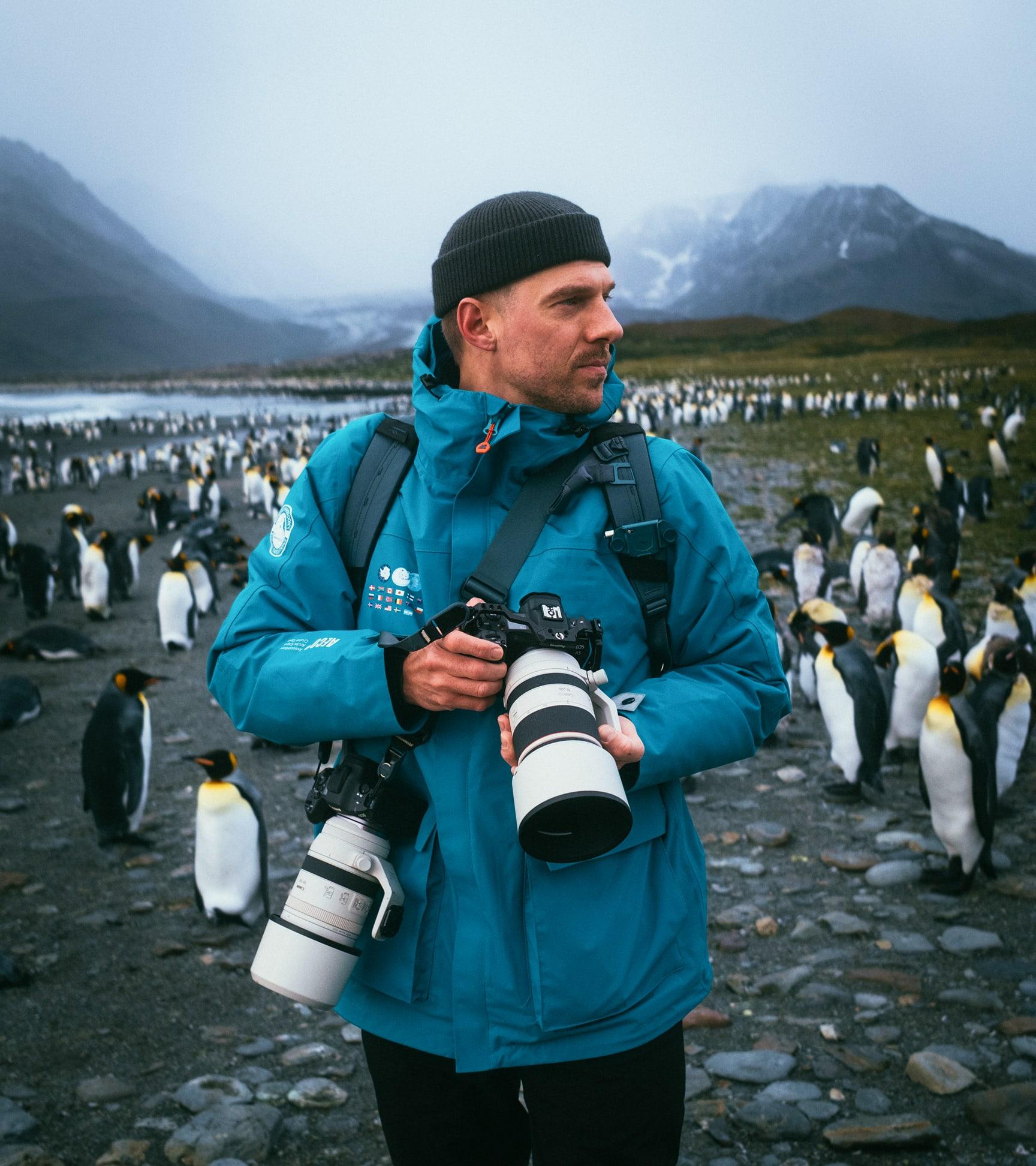
Meet our photography instructors

Our expert photography instructors help you capture Antarctica’s extraordinary beauty while building your skills behind the camera. With their guidance, discover new ways to observe the continent’s landscapes and wildlife through your lens.

Simon Ager

Simon Ager

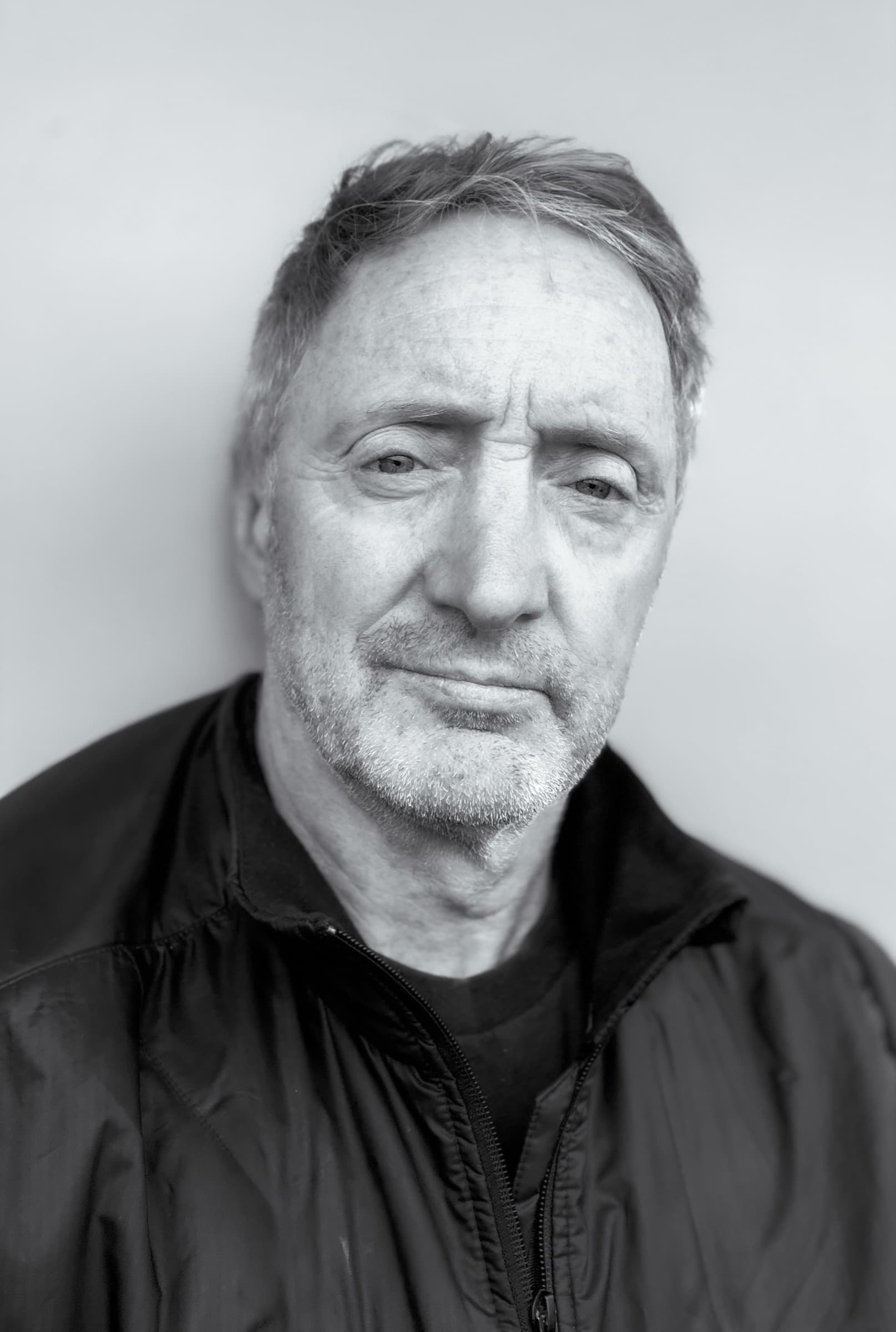
A Canadian-British photographer published by National Geographic, a contributor to SeaLegacy, and a CanGeo Fellow Photographer. He has participated in Antarctic science expeditions for National Geographic and the Schmidt Family Foundation, worked on the post-production crew of BBC Wildlife on One, and is an experienced polar guide and expedition leader.

Lauren Buchholz

Lauren Buchholz

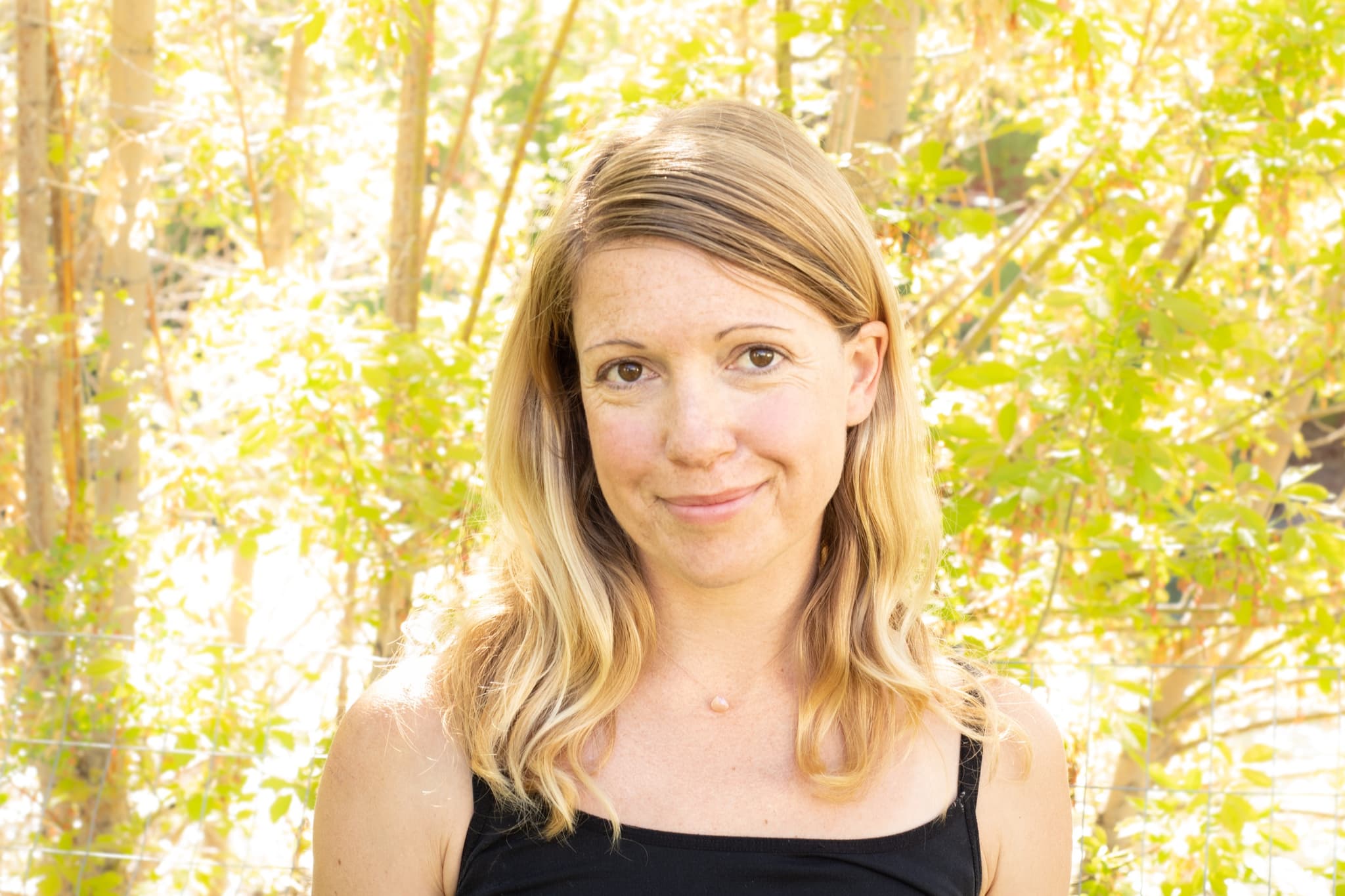
A landscape photographer, certified National Geographic Photo Instructor, and polar guide. Her work has appeared in Outdoor Photographer and Landscape Photography Magazine, and she has extensive experience leading photography-focused expeditions in remote destinations.

One program, throughout your voyage

With only 10 places available per voyage, the focus remains personal, practical, and closely connected to what is happening around you.

$1,000per guest

*Optional program. Charged separately from the cruise fare.

What’s included

Expert Guidance

  • Voyage-long participation in the Swan Hellenic Antarctic Photography Program
  • Dedicated professional Photography Instructor
  • Individual photographic guidance*

*One-to-one sessions are not guaranteed, but may be arranged directly with the Photography Instructor during the voyage, subject to availability. Individual guidance is primarily provided through daily feedback.

Priority Access

  • Priority landing group
  • Up to approximately 30 minutes’ early landing access when operationally possible
  • Dedicated Photography Zodiac during suitable Zodiac operations

Photography in the Field

  • Field instruction during landings and Zodiac cruises
  • Antarctic photography techniques and field preparation advice

Feedback & Post-Processing

  • Daily photography feedback sessions
  • Editing and post-processing workshops

Submit your application to join the Photography Program

Send us your contact details, and we’ll help you take the next step toward joining the Photography Program in Antarctica.

AEUAE
Choose from the list

FAQ

We’ve compiled answers to the most frequently asked questions about traveling in Antarctic Photography Program

*The Photography Program enhances the photographic opportunities available during the expedition but does not create separate expedition operations or guarantee access to any particular landing, wildlife encounter, or Zodiac cruise. All activities remain subject to weather, ice and sea conditions, wildlife behavior, environmental regulations, IAATO requirements, site-specific guidelines, and the decisions of the Captain and Expedition Leader. Participation in the Photography Program does not permit guests or instructors to approach wildlife more closely, to remain within restricted areas, to operate outside designated operational areas, or to otherwise operate outside Swan Hellenic’s established expedition procedures.